up to 60% OFF Laser Hair Removal Packages

Treatment Finder

Search
Close this search box.
Dermal Fillers

Thinking About Fillers but Not Quite Sure Yet

A lot of people hear about fillers long before they seriously consider them. The curiosity builds slowly. Then the hesitation kicks in. What are dermal fillers, really? Do they hurt? Will the result look strange? Is any of this actually safe?

Those questions are worth asking. This guide answers them properly, without the spin. Whether you are genuinely close to booking or just trying to understand what the treatment involves, the aim here is to give you a straight picture.

What Are Dermal Fillers: A Simple Explanation

How They Work

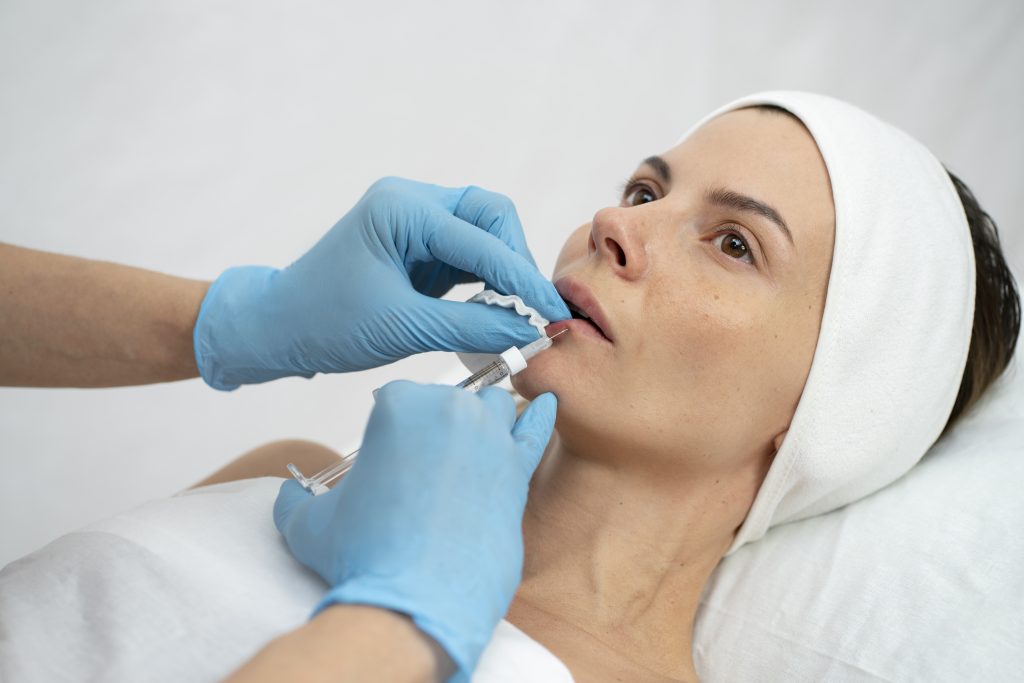
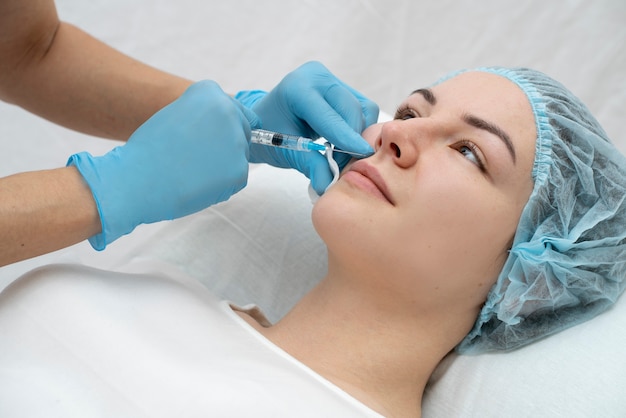
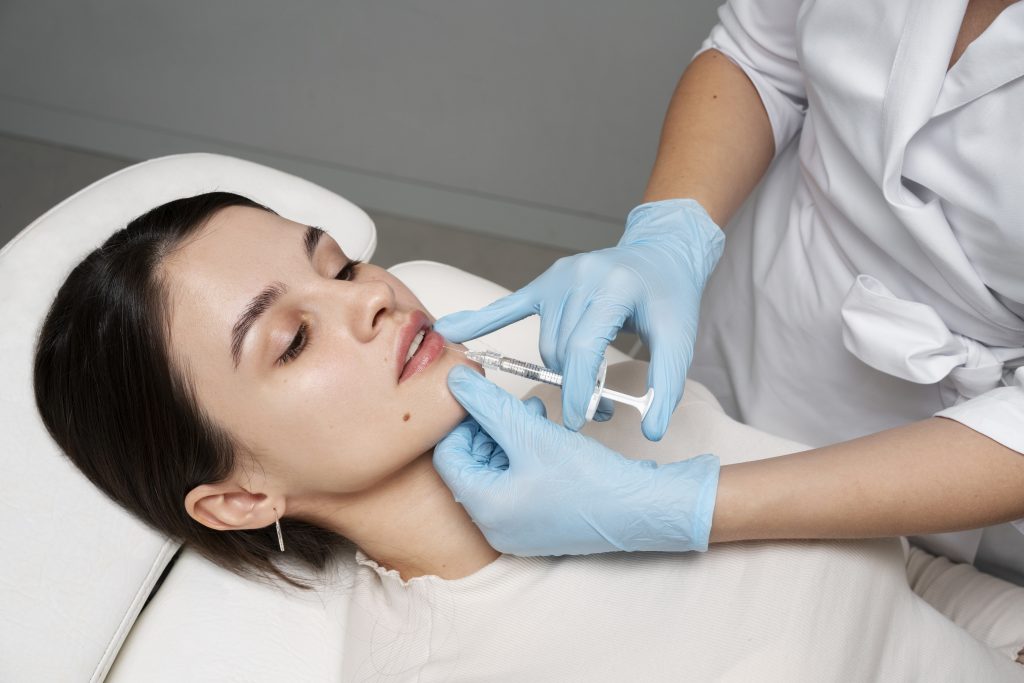
Dermal fillers are injectable gels placed beneath the skin to restore volume, improve contour, or smooth out certain areas. Most use hyaluronic acid, a substance the skin already produces naturally. Because the body recognises it, the filler tends to integrate well and feel like your own tissue.

The effect shows almost immediately. Full settlement takes one to two weeks as any initial swelling clears. The result is temporary, gradually absorbed by the body over months. That is by design, not a flaw.

Common Treatment Areas

Lips are the most requested area. But fillers also work well for the cheeks, jawline, chin, under eyes, and the lines that form around the mouth over time. Each area behaves differently and needs a different approach. A good practitioner treats your face as a whole, not as a list of separate problems to fill.

Why Get Dermal Fillers: Real Reasons People Choose Them

Why get dermal fillers comes up a lot, and the answers are more varied than most people expect. Some clients want to address volume they have lost over time. Others notice asymmetry they have always had but never liked. Some come in simply wanting to look less tired without changing anything obvious.

The goal is rarely transformation. It is usually a small shift toward something that already exists in the face but has faded or gone unbalanced. When that is the aim and it is executed well, the result tends to look completely natural.

That said, fillers are not for everyone. They require thought beforehand, the right practitioner, and realistic expectations. Anyone who approaches them as a quick fix without understanding what they involve will likely be disappointed.

Benefits of Dermal Fillers

The benefits of dermal fillers extend beyond how the result looks. The procedure is carried out without surgery, which means no general anaesthetic, no incisions, and no significant recovery period. Most people return to normal activity the same day.

Results show quickly. Unlike surgical procedures that take weeks to reveal their final outcome, filler settles within a couple of weeks and the improvement is visible from the start.

The treatment is also reversible. Hyaluronic acid fillers can be dissolved using an enzyme called hyaluronidase if the result does not suit you or if a complication arises. That safety net matters.

Finally, results are adjustable over time. Subtle changes can be made at follow up visits, allowing the treatment to evolve with your face and preferences rather than locking in a fixed outcome.

Dermal Fillers Pros and Cons: An Honest View

Advantages

The dermal fillers pros and cons conversation starts with the obvious positives. No surgery. Quick procedure. Fast visible result. Reversible. Adjustable. Minimal downtime. For someone wanting a noticeable but natural improvement without committing to an operation, those are genuinely strong reasons to consider treatment.

Longevity is also reasonable. Depending on the area and the product used, results typically hold for anywhere between nine months and two years.

Limitations

On the other side, fillers are not permanent. Regular maintenance is part of the commitment if you want to keep the result. That carries a financial and time cost that is worth thinking through honestly.

There is also a skill gap in the market. Because the industry carries variable levels of regulation, not every practitioner offering fillers has the training to do them safely. Choosing poorly increases the risk of poor results or complications significantly.

Bruising, tenderness, and swelling after treatment are common and temporary. Serious complications are rare but they do exist, which is why practitioner experience matters so much.

Are Dermal Fillers Worth It

Are dermal fillers worth it is probably the most personal question in this guide. The answer depends entirely on what you want, how realistic your expectations are, and whether you have found someone qualified to carry out the treatment properly.

For people who understand the commitment, choose carefully, and go in with a clear idea of what they want to achieve, the answer is usually yes. The improvement tends to be noticeable but not dramatic, which is exactly what most clients are looking for.

For people who approach it impulsively, choose on price alone, or expect a result that fillers cannot deliver, the experience tends to be disappointing. That is less about the treatment and more about the decision process leading up to it.

Are Fillers Safe in the UK

Are fillers safe in the UK is a question that deserves a careful answer. The short version: they can be, but the safety depends almost entirely on who administers them.

Unlike some countries, the UK has faced criticism for allowing non-medically qualified individuals to carry out filler treatments. Legislation has been tightening, particularly around who can prescribe the products involved. But gaps still exist. That makes your choice of clinic and practitioner the most important safety decision you make.

Look for someone with a recognised medical qualification, a clear explanation of the products they use, and a proper pre-treatment consultation process. A practitioner who rushes any of that is not worth the risk, regardless of how their results look on social media.

Clinics that operate to a genuinely high clinical standard, like Laser Lite Aesthetic Clinic, take the consultation and safety process as seriously as the treatment itself. That is the baseline you should expect.

Fillers vs Botox Difference: What You Should Know

How They Work Differently

Fillers and Botox are often mixed up, but they’re actually quite different. They’re separate treatments designed for different purposes and don’t work in the same way.

Botox is a muscle relaxant. It works by reducing the movement of specific facial muscles, which softens the appearance of lines that form through repeated expression. It does nothing to restore volume or change the shape of the face.

Fillers work by adding volume beneath the skin. They help restore fullness, enhance contours, and smooth areas that have become hollow or lost structure, without affecting muscle movement in any way.

When Each Is Used

Botox suits lines caused by movement, such as forehead lines, frown lines between the brows, and crow’s feet. These lines deepen when the face moves and ease when it is still.

Fillers suit volume loss, structural changes, and areas that need support rather than relaxation. Cheeks, lips, jawline, and under eyes are the most common examples.Some clients benefit from both, used in combination to address different concerns at the same time. But they should never be treated as interchangeable. Each has its own role and knowing which applies to your concern is part of what a proper consultation clarifies.

Final Thoughts

Fillers are not complicated in theory. You restore something that has changed, or you refine something you have never been fully happy with. Done well, the result looks like you on a good day.

The part that requires care is the decision process. Understanding what the treatment can and cannot do, finding someone genuinely qualified to carry it out, and being honest with yourself about what you want to achieve. None of that is difficult. It just takes a little time and the right questions.

When you feel ready, book a consultation. Not a booking call, an actual consultation where someone looks at your face and gives you honest advice. That conversation is worth more than anything you will read online, including this.

Frequently Asked Questions

Will dermal fillers make my face look unnatural?
That outcome almost always traces back to technique or overcorrection, not the treatment itself. A practitioner focused on balance and restraint will aim for something your own friends might not even notice, other than thinking you look well.
Is it normal to feel unsure before a first treatment?
Completely. Most people feel some mix of curiosity and apprehension before their first appointment. That is sensible, not a problem. A good clinic will use the consultation to address those feelings properly, not brush past them to get to the booking.
How do I decide between fillers and Botox?
Start with what you actually want to change. If it is a line that appears when you move your face, Botox may be more relevant. If it is lost volume, shape, or structure, fillers are the likely answer. A practitioner who assesses your face properly will guide you toward whichever fits.
Are dermal fillers a long term solution?
They are not permanent, but they are not fleeting either. Most results hold for several months to a couple of years depending on the area and product. Some clients maintain a consistent result over years through periodic top ups.
Can younger people benefit from fillers too?
Yes, though the goals tend to differ. Younger clients often use fillers for subtle adjustments rather than correction of age-related changes. Lip shape, mild facial asymmetry, or early volume loss are common reasons.

Leave a Reply

Your email address will not be published. Required fields are marked *

Get the latest deal and More

Stay updated with exclusive offers, new treatments, and expert skincare tips from LaserLite Aesthetic Clinic.
Call Now